Scroll through social media for a few minutes and you’ll likely see it: product hauls, “must-have” lists, limited time drops, and constant reminders that there is something new you should be buying. Influencer culture has reshaped the way many of us think about spending, often encouraging more consumption, more upgrades, and more comparison.
While these trends can feel entertaining or inspiring, they can also quietly impact our finances, our stress levels, and our sense of contentment.
The Hidden Cost of Overconsumption
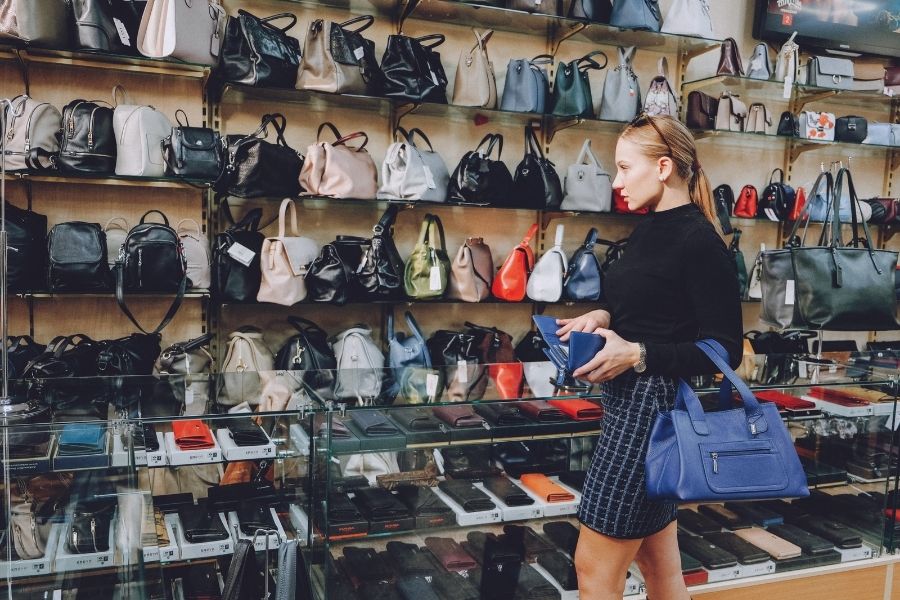
Overconsumption isn’t just about spending too much; it’s also about spending automatically and without intention. When purchases are driven by trends, algorithms, or social pressure, money often flows toward things that don’t actually improve our lives. Some common signs of overconsumption include buying items that are rarely used or quickly forgotten, replacing things that still work because something “better” appears, feeling pressure to keep up with lifestyles seen online, and experiencing guilt or stress after shopping. Over time, these patterns can lead to clutter, debt, and a feeling that money is always disappearing without much to show for it.
What Is “De-influencing”?
In response to this toxic cycle, a growing movement known as ‘de-influencing’ has emerged. Instead of promoting more products, de-influencing encourages people to pause, question purchases, and think critically about what they truly need.
De-influencing isn’t about never buying anything. Instead, it’s about redirecting and buying with purpose. This mindset often asks:
- Do I already own something that serves this purpose?
- Is this aligned with my values or long-term goals?
- Am I buying this because I want it, or because I’ve been influenced?
For many, de-influencing feels like a return to autonomy over their finances and choices.
Quality Over Quantity: A Healthier Financial Approach
Shifting focus from quantity to quality can have a meaningful impact on both finances and well-being. Making fewer, better purchases has a ripple effect, often leading to less waste and clutter, more satisfaction with what you own, reduced impulse spending, and finding that money is freed up for priorities that matter more.
Another thing to note is that quality doesn’t always mean expensive - it means intentional. It’s about choosing items, experiences, and habits that truly add value to your life rather than chasing constant upgrades.
Aligning Spending with Your Values
At its best, money is a tool to support the life you want to live. When financial spending aligns with personal values - such as sustainability, experiences, family, security, or freedom - finances tend to feel more empowering and less stressful. Simple ways to realign your spending with your values include:
- Defining what “enough” looks like for you
- Creating a spending plan based on priorities, not trends
- Leaving room in your budget for what genuinely brings joy
- Letting go of comparison with others’ online lives
The Role of Financial Guidance
Breaking habits shaped by influencer culture isn’t always easy - especially when marketing is designed to trigger emotional spending. A financial advisor can help you step back, evaluate your spending patterns, and create a plan that reflects your values and long-term goals. Together, you can identify areas of unintentional spending, set realistic boundaries around consumption, balance enjoyment today with security tomorrow, and build a healthier, more intentional relationship with money.
De-influencing isn’t about restriction - it’s about freedom. Freedom from pressure, comparison, and constant consumption. By choosing quality over quantity and aligning spending with your values, you can create a financial life that feels calmer, more intentional, and more sustainable.
If you’re looking to reset your spending habits and gain clarity around your financial priorities, feel free to reach out to the Upbeat Financial team - a conversation with a trusted financial advisor can be a meaningful first step towards reinvigorated financial health!